Upgrade your small leather goods to luxury.
Editorial product photography for the independent maker building toward Bellroy, Cuyana, Want Les Essentiels, Il Bisonte. Bifold hero, cardholder in-hand, pocket detail, leather grain macro, all anchored to your actual reference.
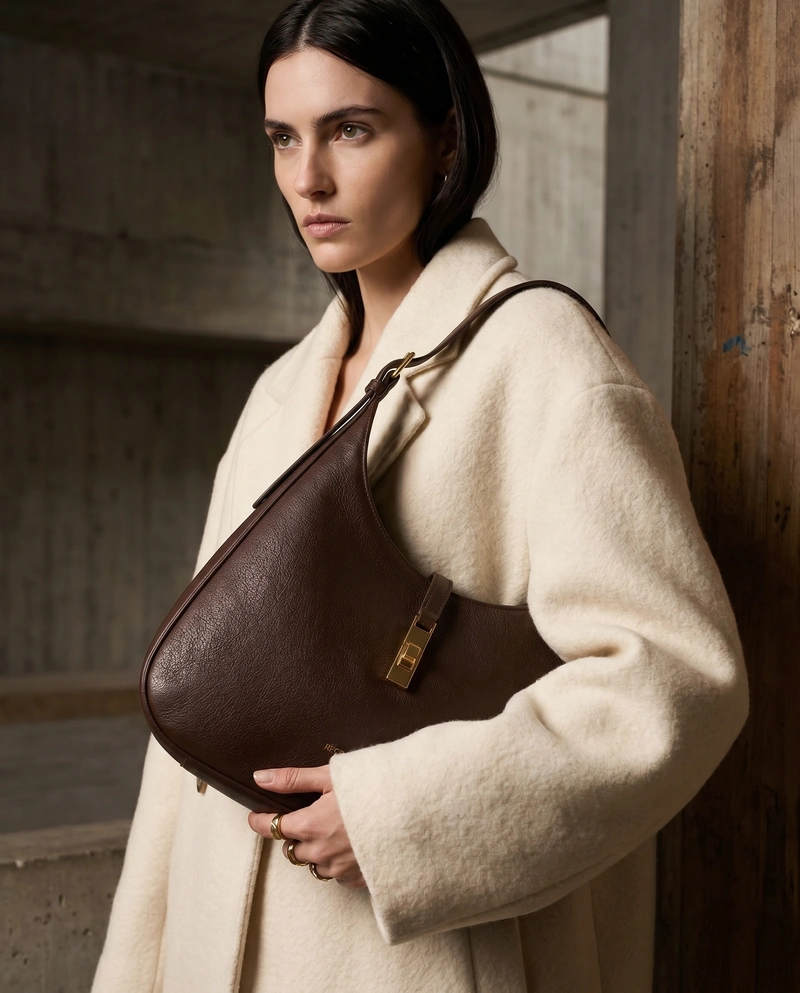
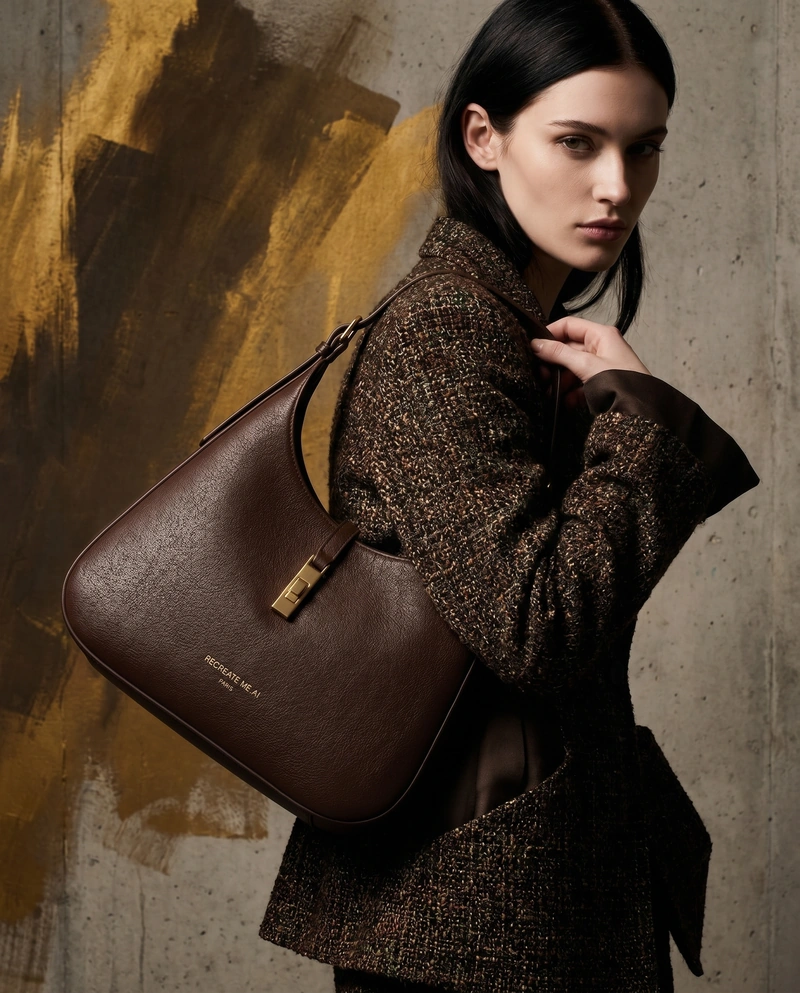
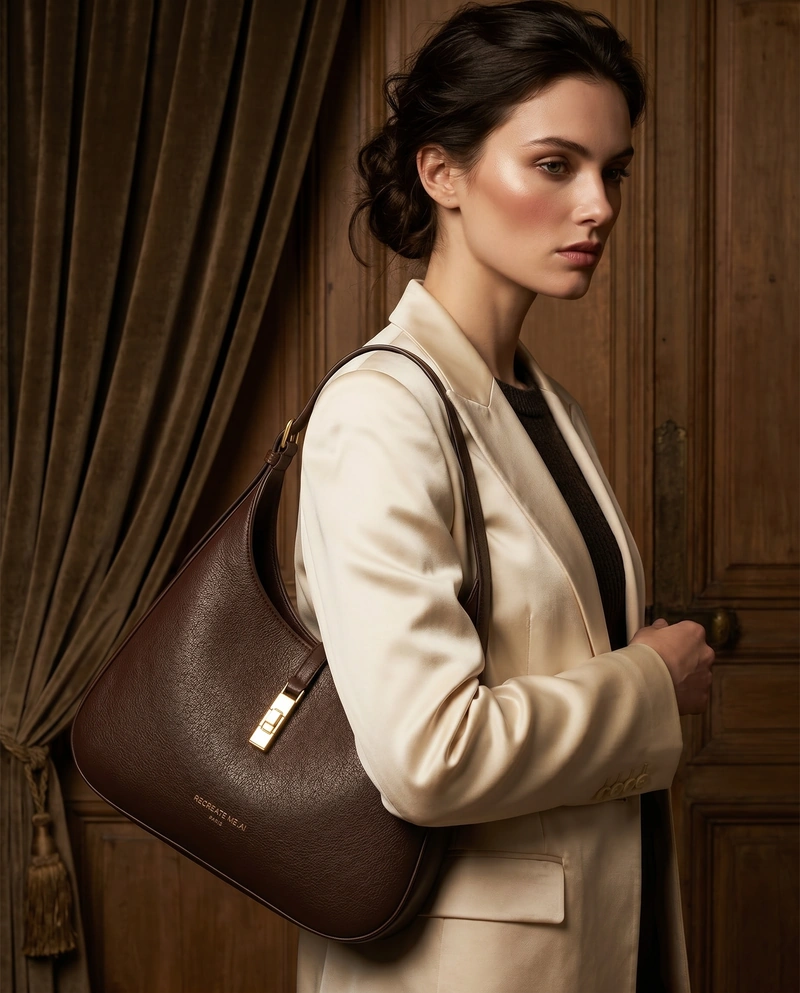
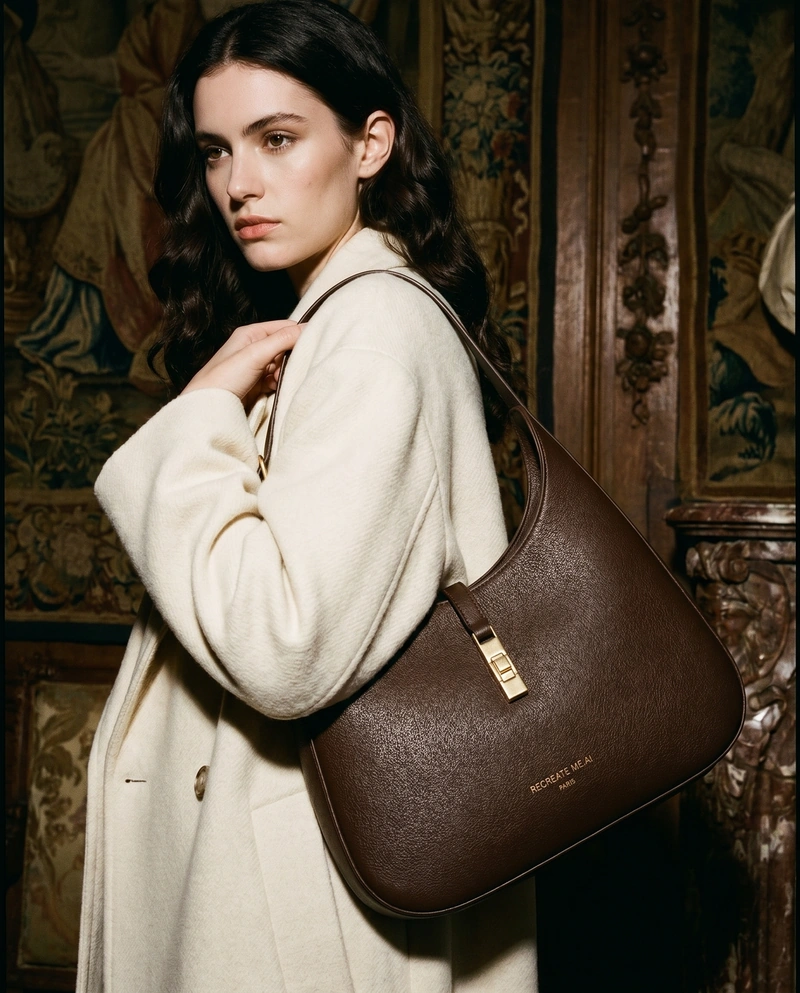
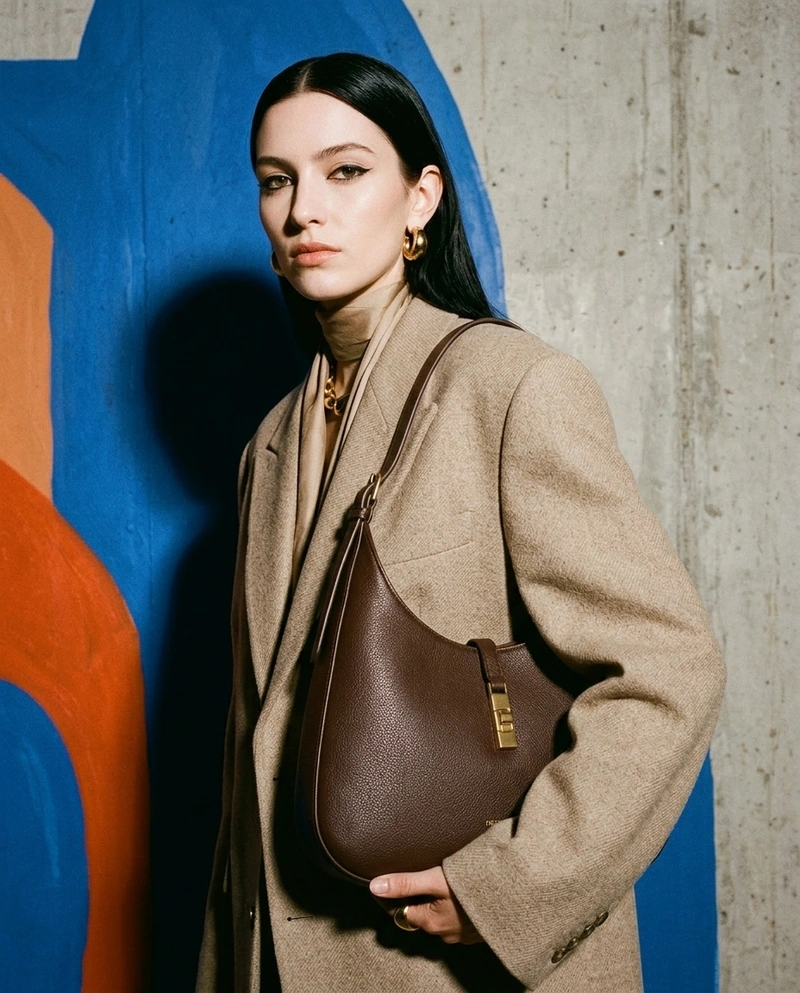
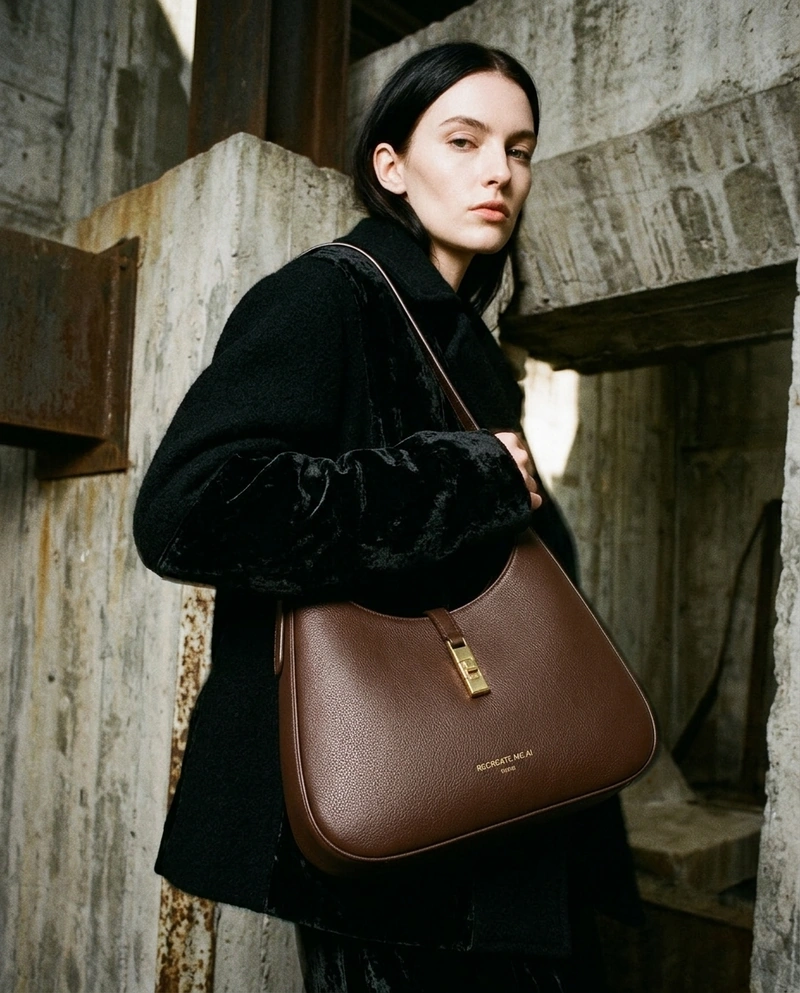
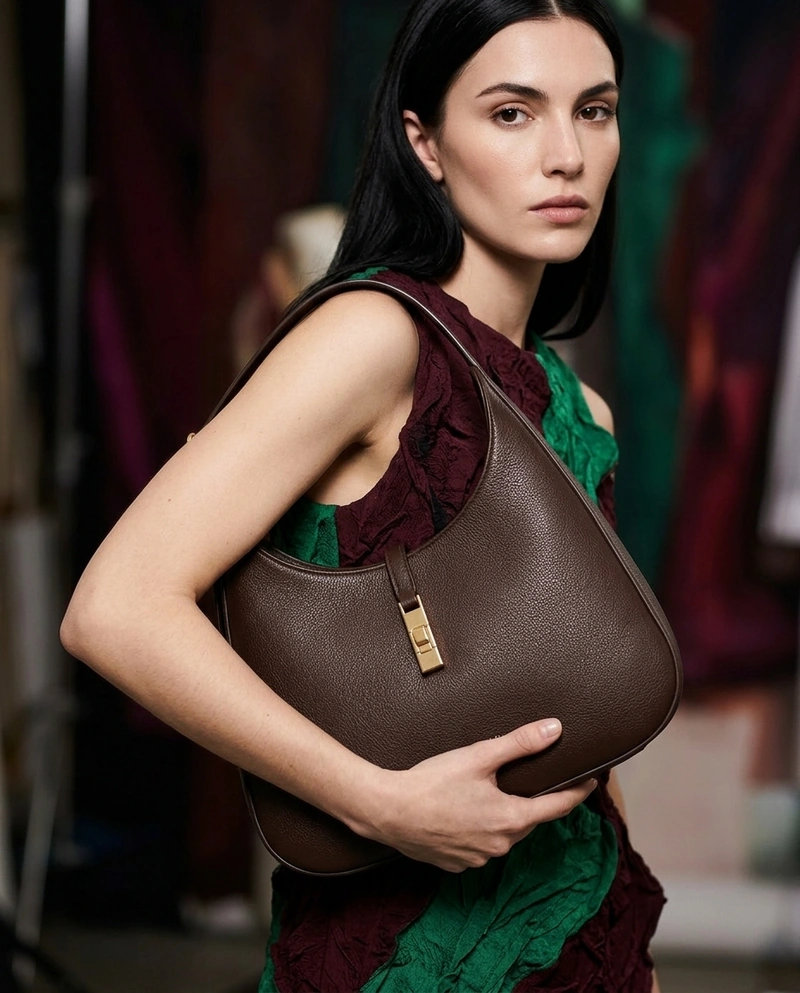
A wallet photograph is a scale problem.
Small leather goods photograph badly without precision macro work. A wallet shot at the wrong scale reads as a toy. A cardholder without a hand reference reads as a leather rectangle. The leather grain at small scale needs raking light to register as actual texture rather than printed pattern. The interior architecture (card slots, billfold compartment, coin pocket) needs its own frame. Small-leather-goods photographers charge $1,000 to $2,500 per release because the macro discipline is unforgiving.
Generic AI tools fail this category at first frame. They render wallets at wrong proportions, flat colour where grain should read, painted-on stitching, generic card-slot counts. The result reads as a marketplace listing, not as the press shot a Cool Hunting feature or a Bellroy campaign uses.
Your actual small leather piece, at the macro register the craft deserves.
Upload 4 to 6 references of the wallet (closed hero, open showing pockets, side profile, leather grain at macro, in-hand for scale). The model preserves silhouette, grain pattern, stitching density, edge paint, pocket count and arrangement, and the way the piece sits in a hand for proportion.
Brief the rest: surface (walnut, marble, soft leather work-tray), light (single-source raking for grain, soft window for hero, in-hand context for scale), composition. A wallet drop's worth of campaign frames in an afternoon, all from one reference.
Brief, generate, refine.
1. Reference the wallet
4 to 6 photos: closed hero, open showing pockets, side profile, leather grain at macro crop, in-hand for scale. The model needs to see silhouette, pocket architecture, and grain pattern.
2. Brief the frame
"Bifold open on a walnut surface, cards visible in the slots, soft window light from camera left, restrained macro crop showing stitch density and edge paint." Or apply a saved Aesthetic, or pick a starting point from the prompts library.
3. Generate & refine
Up to 4K. Iterate until grain, stitching, and pocket architecture all read correctly. Save the winner. The next leather colour and the next silhouette in the line reuse the same Aesthetic.
Every frame the release needs.
Bifold hero
Wallet closed on a considered surface, hero front. The PDP anchor frame and the press image.
Cardholder in-hand
Cardholder held in a hand, scale registered against the fingers, cards visible at the top edge. The frame that converts the considered buyer.
Open showing pockets
Bifold opened, card slots visible with sample cards, billfold compartment showing, coin pocket if present. The frame that signals architecture and functionality.
Leather grain macro
Tight macro on the leather surface, grain pattern at scale, stitching density, edge paint detail. The frame that signals craft to a knowing buyer.
Indie-maker budgets, campaign-grade output.
For a typical wallet release (one silhouette, three leather variants):
| Approach | Time | Cost |
|---|---|---|
| Studio shoot with a small-leather macro specialist | 2 weeks | $1,000–$2,500 |
| DIY softbox plus your own retouching | A weekend, plus edits | $200 setup, plus your time, plus uneven proportions |
| recreateme.ai (Core) | An afternoon | $30 / month, full release |
The point is not cheaper photos. It is that the campaign-grade small-leather macro standard is no longer gated by hiring the specific macro specialist who actually executes it well.
Full commercial rights, your imagery, your house.
Every frame you generate is yours, for owned channels: site, product pages, paid campaigns, retailer and stockist decks, print, social, lookbooks. No per-image licence, no usage caps, no surprises in the small print.
Nothing of yours is on file unless you choose to share to the public Discover gallery. Posts can be made private or deleted at any time.
The campaign-grade wallet imagery your craft deserves.
8 credits to begin, no card required.
From founders building independent small leather goods.
How does the AI render leather grain at small scale?
Grain reads at macro under raking light. Upload a tight crop reference of your leather at scale (a corner of the wallet shot up close, so the grain shows clearly). The model preserves the grain pattern, the sheen, the way the leather catches light under raking ambient. For brands whose differentiation lives in the leather (vegetable-tanned full-grain, oiled bridle, Italian Saffiano), this is the technical frame that signals craft.
Will pocket count and arrangement stay accurate?
Yes. Pocket architecture is the functional craft signal in a wallet. Upload an interior reference showing the card slots, billfold, coin pocket. The platform preserves the count, the arrangement, the stitch lines defining each compartment, the way cards sit in the slots.
How does the platform handle in-hand scale shots?
In-hand is the scale-credibility frame for small leather goods. Brief the hand context (skin tone, posture, holding the wallet open or closed, fingers gripping the edge). The wallet stays anchored to your reference at correct scale relative to the hand; the hand and ambient are composed in the brief.
Can I render the same silhouette in different leather variants?
Yes. A small leather goods line typically ships across multiple variants: cognac, black, oxblood, navy, cream. The platform handles the variant shifts as a brief modifier: "same wallet in vegetable-tanned cognac, no other changes." The silhouette, the pocket architecture, the stitching stay identical; only the leather colour and any matching edge paint shift.
Will the stitching and edge paint stay correct?
Yes. Stitching and edge paint are the precision craft signals a serious buyer reads first on a small leather piece. Include a macro reference cropped tight on a corner so the model sees stitch density, thread colour, edge-paint colour. The platform preserves the stitch rhythm and edge treatment across every generated frame.
Can I shoot gift and lifestyle context?
Yes. Holiday and gifting campaigns are a major small-leather-goods revenue driver. Brief the context (folded white paper, ribbon at the edge, kraft gift box, beside a coffee cup, on a leather notebook). The wallet stays anchored; the gift scene is composed in the brief.
Can I keep a consistent visual house across the line?
Yes. A small leather goods line lives on cross-product cohesion: bifold, cardholder, billfold, zip pouch, keychain all need to read as the same maker. Save reusable Aesthetics and apply across every reference. The catalogue reads as one house, not a category page.
Can I use the imagery commercially and how is it priced?
Yes. You own every image you generate, with full commercial rights for owned channels: site, product pages, paid campaigns, retailer decks, print, social, lookbooks. Pricing: 8 credits to try free, paid plans from $15/month. Annual billing is 25% off.
Built across the editorial line.
Fine jewelry
Stone fire, prong work, metal reflection, on-hand lifestyle, velvet and silk editorial.
Fragrance
Glass refraction, atmospheric still life, ingredient and note imagery, ritual scenes.
Fashion
On-model editorial, garment drape, fabric macro, lookbook campaign, atelier scenes.
Skincare & apothecary
Texture rendering, ritual flatlays, ingredient close-ups, bathroom-vanity ambient.
Watches
Mechanical detail, lume shots, leather strap macro, wrist scenes, dial light play.
Bags & leather goods
Grain, hardware, atelier scenes, on-body lifestyle, considered hero crops.
Eyewear
Frame architecture, lens reflection, on-face portrait, materials close-up.
Candles & home fragrance
Wick and wax pool, vessel craft, atmospheric still life, lit and unlit states.
Specialty coffee & tea
Brewing ritual, leaf and bean macro, ceremonial scene, café ambient.
Portraits & self
Recreate yourself anywhere. Photoshoot studio, editorial settings, dating-app portraits, on-brand creator content.
Activewear
Movement, fabric tension, on-body lifestyle, studio and outdoor athletic editorial.
Performance apparel
Technical fabric texture, athletic motion, gym and outdoor settings, gear macro.
Drinks & beverages
Bottle and can architecture, pour-and-splash, cocktail ritual, ambient bar and table scenes.
Lighting & decor
Interior atmosphere, fixture detail, object styling, ambient warm-and-cool palettes.
Personal hygiene
Tube and bar packaging, ritual bathroom flatlay, ingredient close-ups, calm clinical aesthetic.
Make-up
Color fidelity swatches, on-face campaign, packaging architecture, palette and tool stills.
Body care
Lotion and balm texture, bathing ritual, on-skin macro, packaging in soft natural light.
Bags
Handle craft, interior detail, on-shoulder lifestyle, leather and canvas texture, hero crops.
Luxury fashion
House-level editorial, atelier craft, runway-grade lighting, hero campaign stills.
Furniture
Material grain, joinery detail, room-scene lifestyle, architectural ambient light.
Home & living
Spatial composition, soft natural light, material warmth, lived-in rooms and considered detail.
Fashion & apparel
On-model editorial, garment drape, fabric texture, lookbook campaign, atelier scenes.
Build the visual house your small leather goods deserves.
8 credits to begin. Upgrade as the line grows.