Upgrade your eyewear brand to luxury.
Editorial product photography for the independent maker building toward Garrett Leight, Moscot, Akila, Jacques Marie Mage. Frame architecture, lens reflection, on-face portrait, materials macro, all anchored to your actual reference.
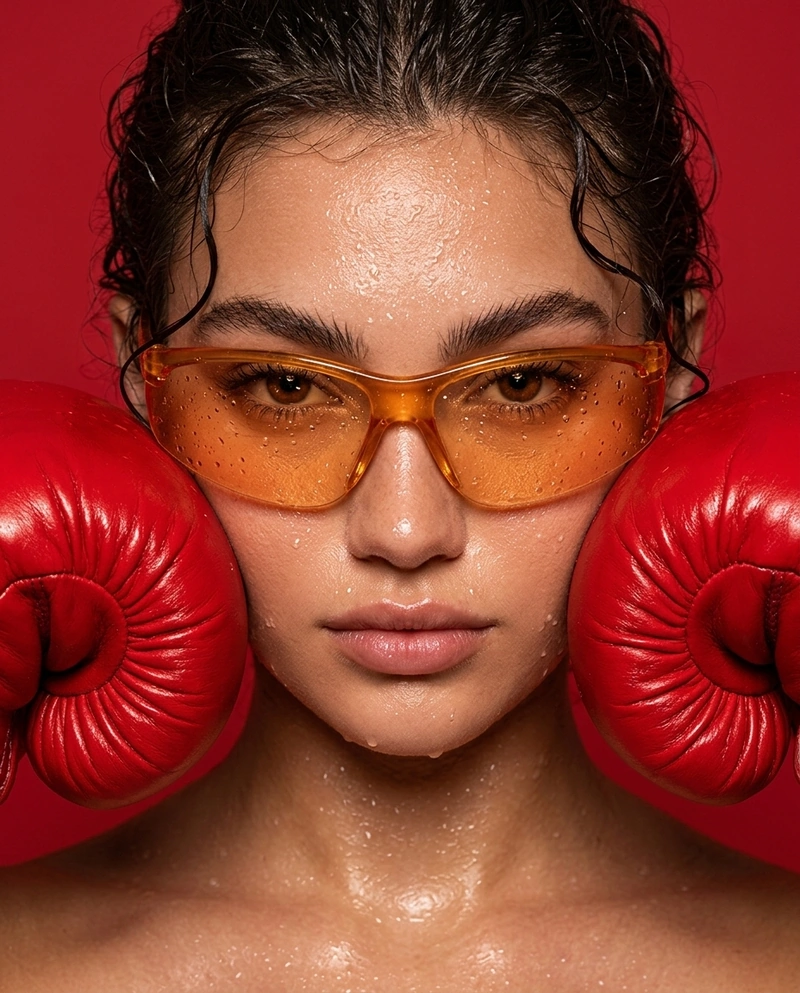
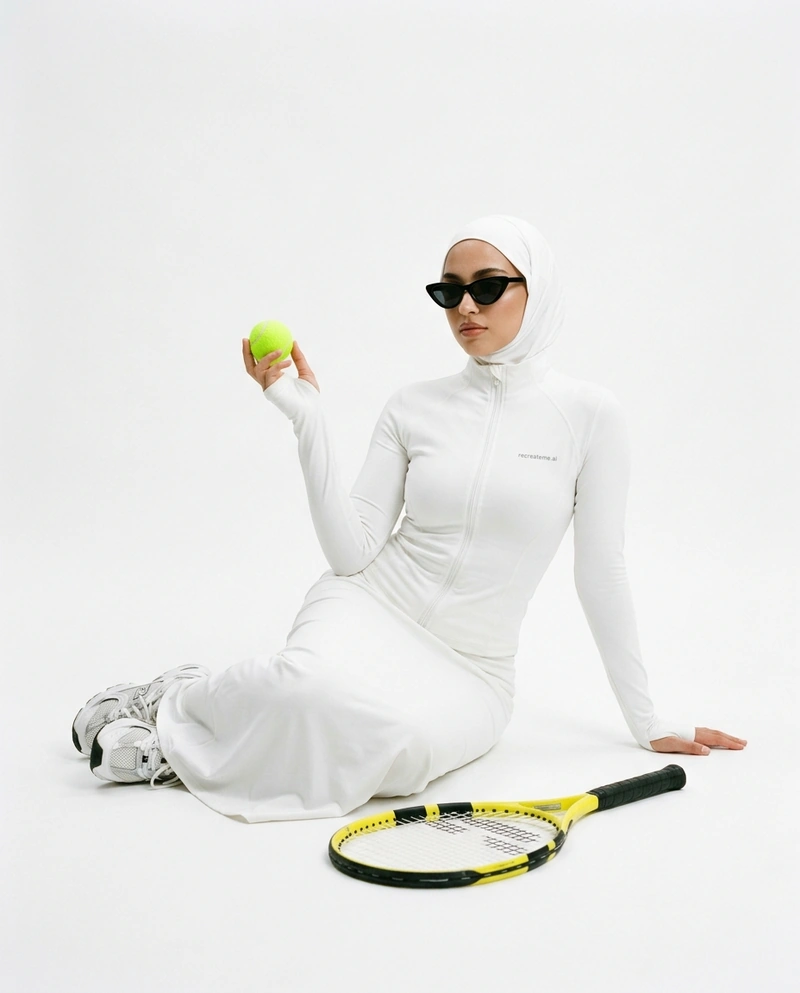
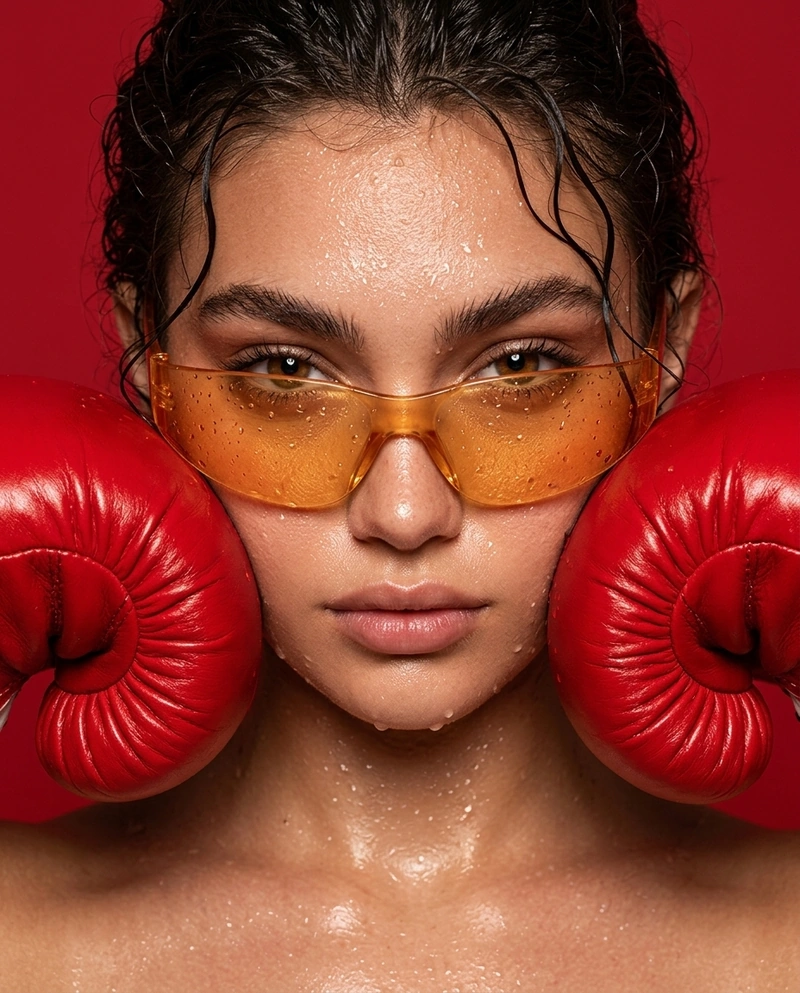
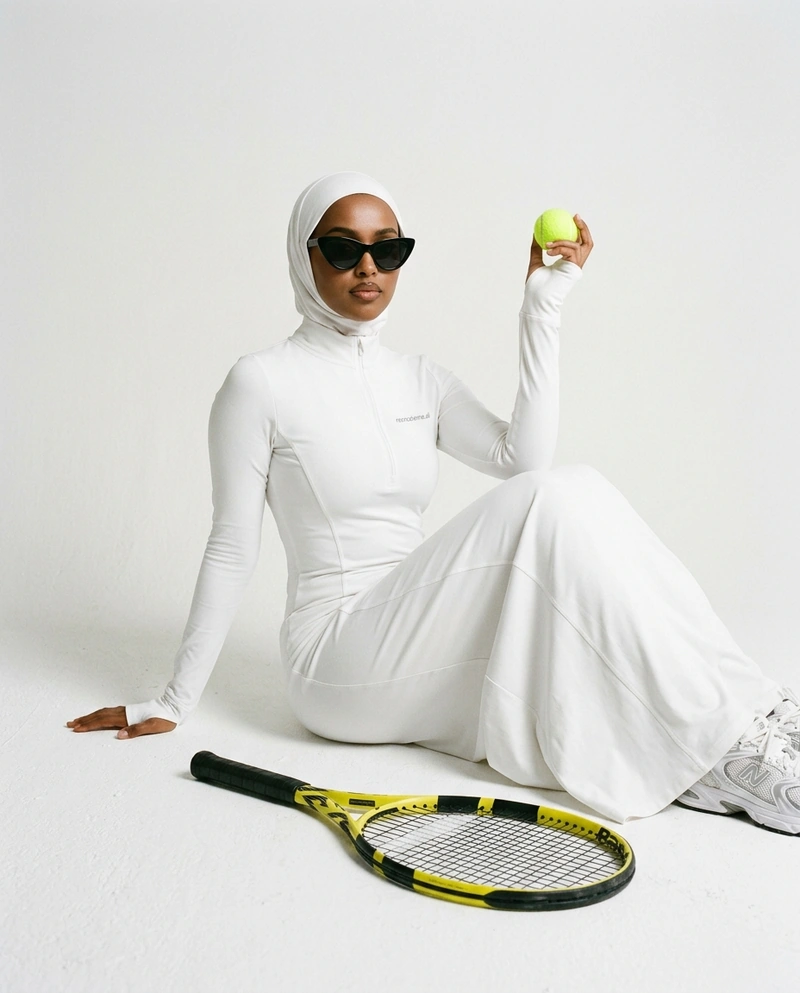
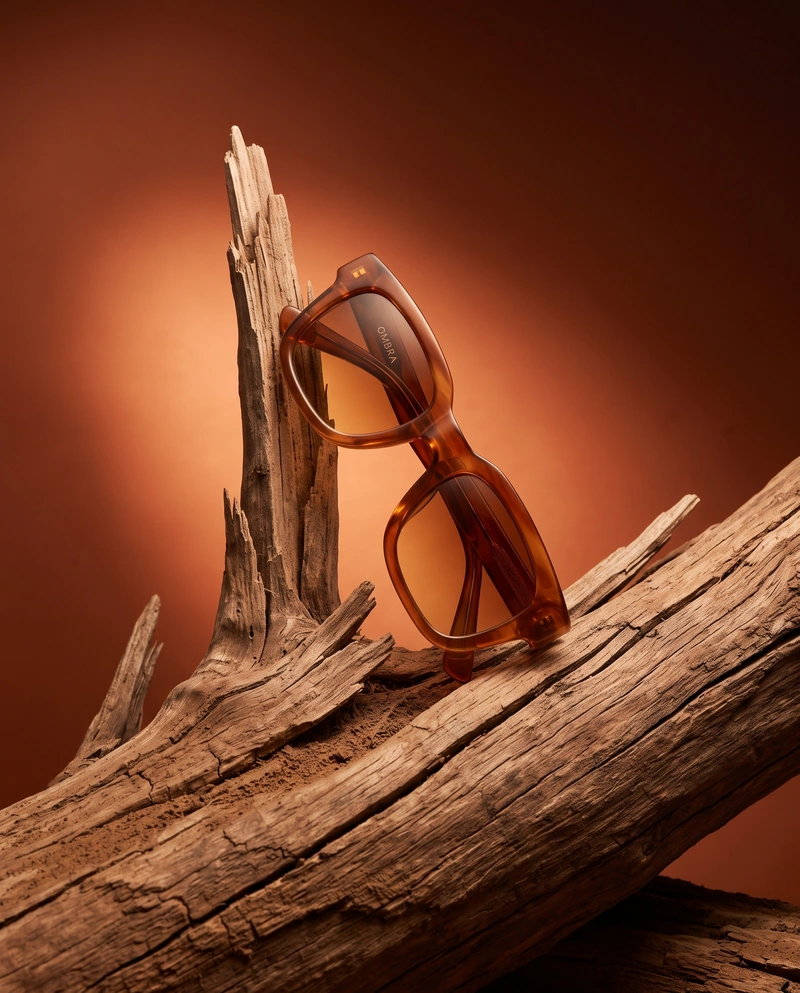
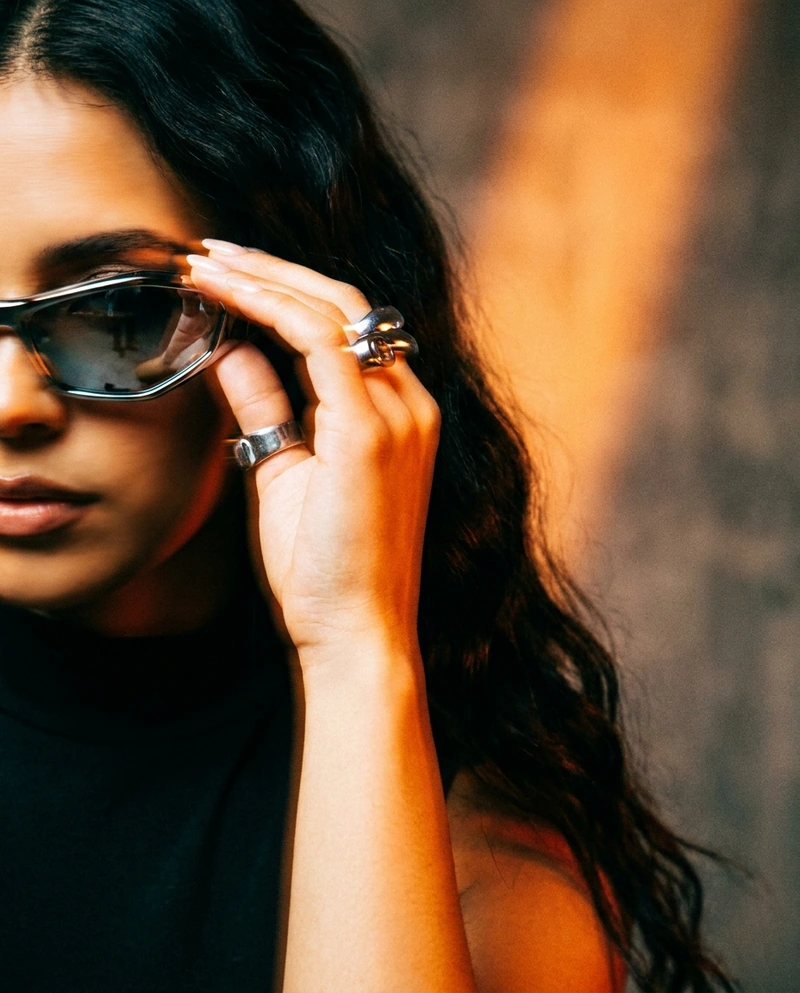
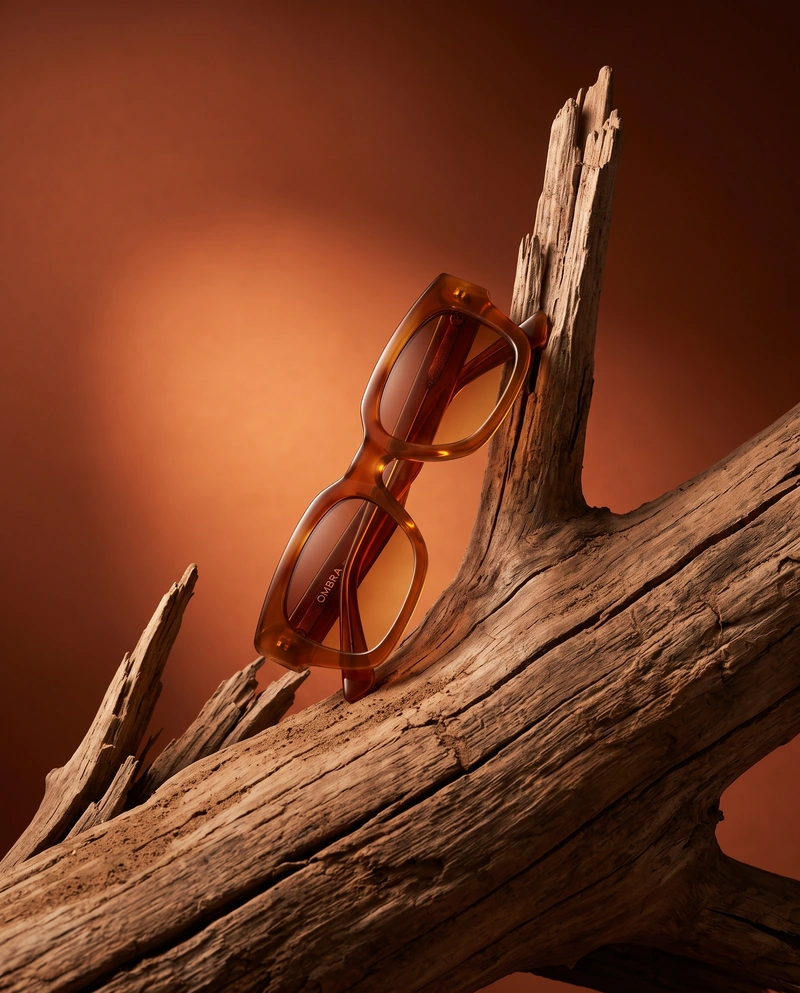
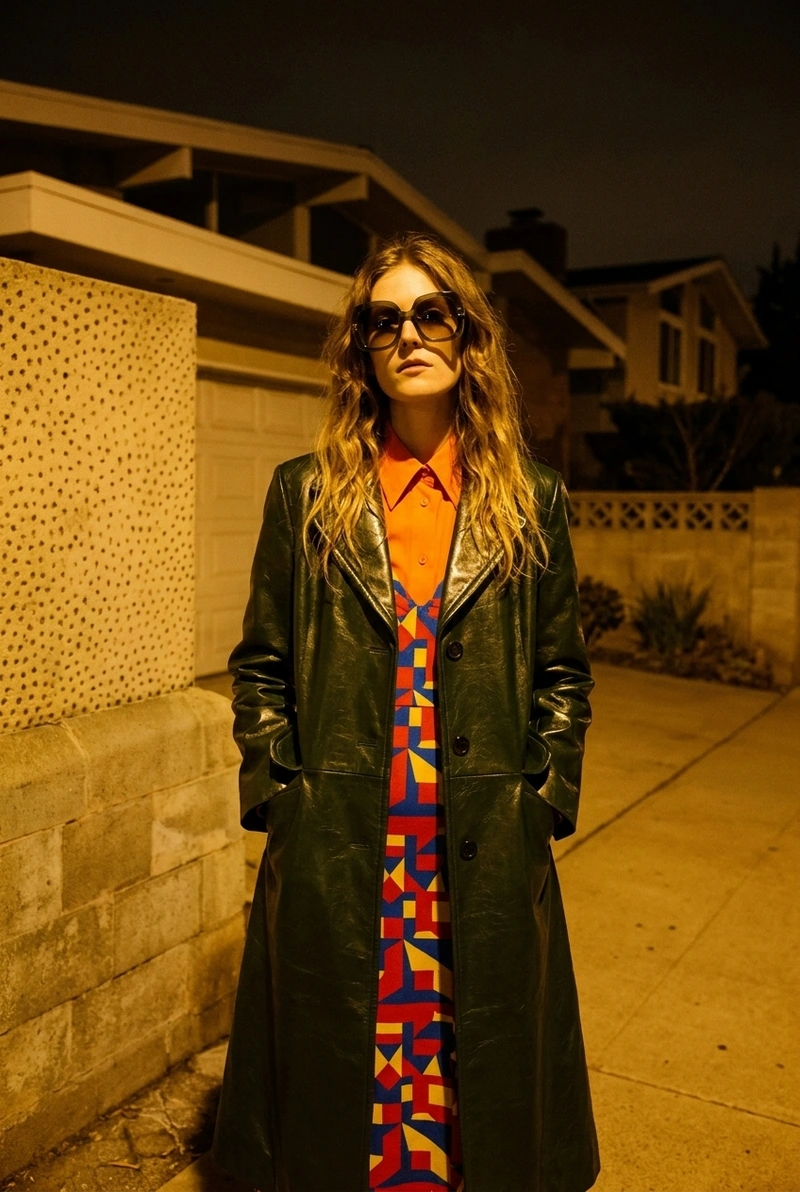
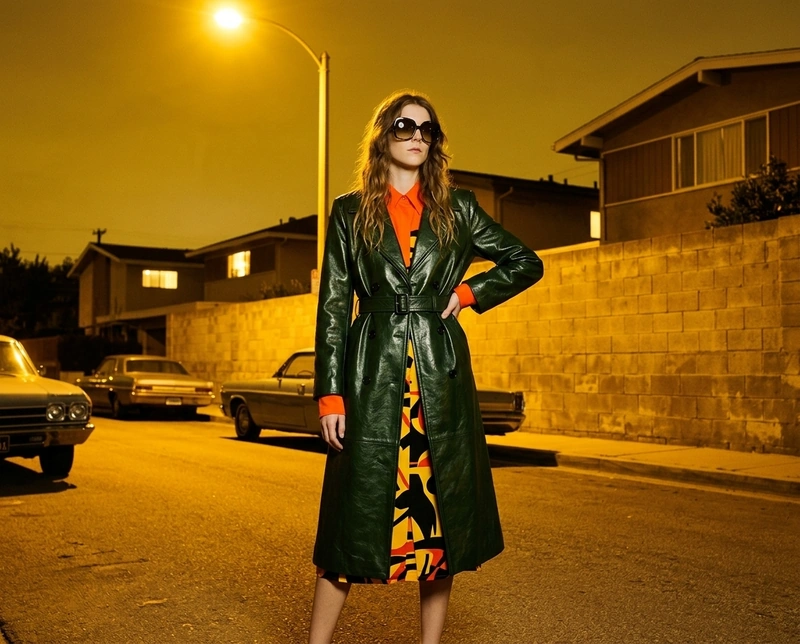
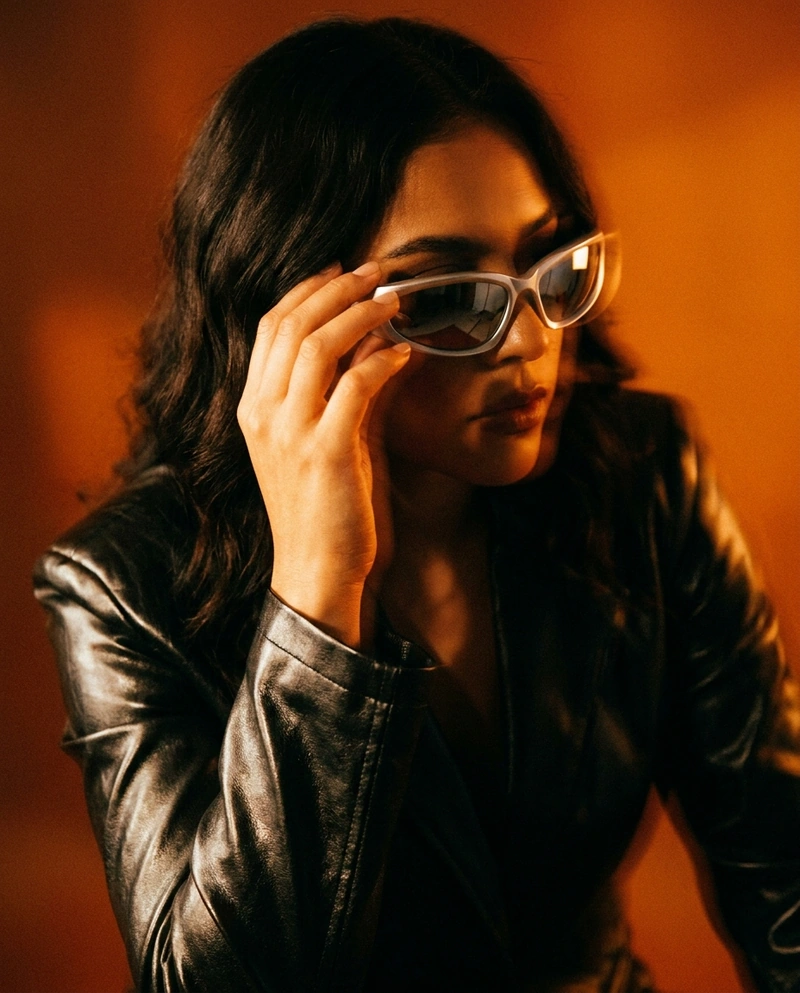
Frames photograph harder than they look.
A serious frame shoot reads on details that catalogue shooters miss. Whether the three-quarter angle flatters the lens curvature or kills it. Whether the acetate's layered depth shows or flattens. Whether the lens reads as anti-reflective with a subtle green-blue sheen or as a dead mirror. Whether the hinge architecture is visible enough to signal the maker's craft, but not so prominent that it pulls attention from the silhouette. Eyewear photographers charge $1,500 to $5,000 per release because the craft has nowhere to hide.
Generic AI tools fail this category at first frame. They invent glasses-shaped objects with wrong proportions, painted-on hinges, lenses that look like plastic. The result reads as a render from an optical-shop website, not as a Vanity Fair eyewear feature.
Your actual frame, in the editorial register the brand deserves.
Upload 4 to 8 reference photos covering the hero three-quarter angle, the straight-on front, the side profile (temple in full), a close on the hinge open and closed, the end-piece with any engraving, the bridge from above. The model preserves frame proportions, lens shape and curvature, hinge architecture, acetate pattern (tortoise, crystal, two-tone, opaque), metal finish, and any maker engraving.
Brief the rest: surface (warm oak, cool stone, soft cashmere, dark velvet), light (single-source side for materials, soft window for face, golden hour for lifestyle), composition. A drop's worth of editorial frames in an afternoon, all from the same reference.
Brief, generate, refine.
1. Reference the frame
4 to 8 photos: hero 3/4 angle, straight-on front, side profile, hinge open and closed, end-piece engraving, bridge from above. The model needs to see geometry, materials, and hinge architecture.
2. Brief the frame
"Hero on raw oak surface, single-source side light, anti-reflective sheen on lens, soft shadow." Or apply a saved Aesthetic, or pick a starting point from the prompts library.
3. Generate & refine
Up to 4K. Iterate until lens curvature, hinge architecture, and acetate depth all read correctly. Save the winner. The next colourway and the next silhouette reuse the same Aesthetic.
Every frame the drop needs.
The shots an optical or sun release is judged on, in one consistent register.
Frame architecture
The hero three-quarter that flatters the lens curvature, the straight-on for proportions, the side profile showing the temple. The frame that anchors the catalogue.
Materials & finish
Italian acetate flow, titanium brushed finish, horn grain, gold-filled sheen, two-tone layered acetate. The frame that signals material standard at the brand-not-commodity tier.
Lens & reflection
Anti-reflective sheen, mirror finish (silver, gold, blue, pink), gradient tint, polarised matte. The frame that signals optical quality, not just frame styling.
On-face portrait
3/4 angle against a soft turtleneck, profile against a cream wall at golden hour, straight-on with restrained crop. The frame that lets the buyer imagine themselves in the brand.
Indie-maker budgets, campaign-grade output.
For a typical release (one silhouette, three colourways, optical and sun):
| Approach | Time | Cost |
|---|---|---|
| Studio shoot with an eyewear/fashion photographer | 2–3 weeks | $1,500–$5,000 |
| DIY lightbox plus your own retouching | A weekend, plus edits | $200 setup, plus your time, plus uneven results |
| recreateme.ai (Core) | An afternoon | $30 / month, full release |
The point is not cheaper photos. It is that the campaign-grade visual standard is no longer gated by a four-figure shoot budget per release.
Full commercial rights, your imagery, your house.
Every frame you generate is yours, for owned channels: site, product pages, paid campaigns, optical and retail wholesale decks, print, social, lookbooks, magazine submissions. No per-image licence, no usage caps, no surprises in the small print.
Nothing of yours is on file unless you choose to share to the public Discover gallery. Posts can be made private or deleted at any time.
The campaign-grade eyewear imagery your release deserves.
8 credits to begin, no card required.
From founders building independent eyewear brands.
How does the AI render different frame materials?
Material is the visible signal of frame quality. Italian acetate (Mazzucchelli, hand-polished, with the depth and translucency that separates a $500 frame from a $50 one), titanium, monel, surgical stainless, beta-titanium, buffalo horn, sustainable wood, gold-filled metal, all read differently. Upload 4 to 8 references including at least one close crop showing the acetate's flow or the metal's brushed/polished finish. The model preserves the pattern (tortoise, crystal, opaque, two-tone), the way light catches the surface, and the dimensional depth of layered acetate.
Will hinge architecture and end-pieces stay accurate?
Yes. Hinge architecture is the silent craft signal in eyewear. The riveted hinge on a Garrett Leight, the spring hinge on a contemporary Moscot, the proprietary mechanism on a Jacques Marie Mage. Include a reference showing the hinge open and one closed. The model preserves the rivet count, the joint architecture, the visible mechanism, and any maker engraving on the temple end.
Can I shoot lens reflection and anti-reflective sheen correctly?
Lens reflection is the technical pain of a frame shoot. Without control, the lens reads as a flat mirror; with control, it shows the wearer's environment subtly. Brief the lens treatment in the prompt: anti-reflective coating with a faint green-blue sheen, mirror finish (silver, gold, blue, pink), gradient tint, polarised matte. The model renders lens reflection in line with the brief and the ambient. For optical frames, a soft single-source brief produces the editorial register that catalogue shots aim for and rarely achieve.
How does the platform handle on-face portrait shots?
On-face is the conversion frame for an eyewear brand. The frame worn at 3/4 angle against a soft turtleneck, in profile against a cream wall at golden hour, straight-on with a slight tilt that lets the lens catch ambient. The frame remains anchored to your reference; the wearer's features, garment, and surrounding scene are composed in the brief. Frame width, bridge fit, and lens proportion stay correct because the model reads geometry from your photos.
Can I render different colourways from one frame reference?
An eyewear release typically launches a silhouette in three to six colourways: classic tortoise, crystal, matte black, smoke, two-tone. The platform handles colour shifts on the same silhouette as a brief modifier: "the same frame in crystal grey, no other changes." The proportions, the hinge, the lens shape, and the bridge stay identical. A drop's worth of campaign frames in an afternoon, one silhouette, multiple colour briefs.
Will brand engraving and maker marks stay accurate?
Yes. The brand engraving on the temple, the model name and material designation inside the temple end, the country-of-origin mark, the lens batch code, all read as craft signals to a buyer who knows the category. Include a clear reference of the engraving at scale. The platform preserves the typography, depth, and placement across every generated frame.
Can I keep a consistent visual house across the collection?
Yes. An eyewear house lives on visual cohesion across silhouettes. The optical line, the sun line, the special-edition release, and the case all need to read as one brand. Save reusable Aesthetics (palette, lighting grammar, surface vocabulary, prop language) and apply across every reference. New silhouettes inherit the campaign's visual register without re-briefing from scratch.
Can I use the imagery commercially?
Yes. You own every image you generate, with full commercial rights for owned channels: site, product pages, paid campaigns, optical and retail wholesale decks, print, social, lookbooks. No per-image licence, no usage caps. Full terms in our Terms of Service.
How is it priced?
8 credits to try, free, usable on any resolution and either engine. Paid plans begin at $15/month (Lite, 75 credits). Core: 150 to 300 credits/month. Max: 500 to 2,000. Annual billing is 25% off. See pricing for the full ladder.
Built across the editorial line.
Fine jewelry
Stone fire, prong work, metal reflection, on-hand lifestyle, velvet and silk editorial.
Fragrance
Glass refraction, atmospheric still life, ingredient and note imagery, ritual scenes.
Fashion
On-model editorial, garment drape, fabric macro, lookbook campaign, atelier scenes.
Skincare & apothecary
Texture rendering, ritual flatlays, ingredient close-ups, bathroom-vanity ambient.
Watches
Mechanical detail, lume shots, leather strap macro, wrist scenes, dial light play.
Bags & leather goods
Grain, hardware, atelier scenes, on-body lifestyle, considered hero crops.
Candles & home fragrance
Wick and wax pool, vessel craft, atmospheric still life, lit and unlit states.
Specialty coffee & tea
Brewing ritual, leaf and bean macro, ceremonial scene, café ambient.
Portraits & self
Recreate yourself anywhere. Photoshoot studio, editorial settings, dating-app portraits, on-brand creator content.
Activewear
Movement, fabric tension, on-body lifestyle, studio and outdoor athletic editorial.
Performance apparel
Technical fabric texture, athletic motion, gym and outdoor settings, gear macro.
Drinks & beverages
Bottle and can architecture, pour-and-splash, cocktail ritual, ambient bar and table scenes.
Lighting & decor
Interior atmosphere, fixture detail, object styling, ambient warm-and-cool palettes.
Personal hygiene
Tube and bar packaging, ritual bathroom flatlay, ingredient close-ups, calm clinical aesthetic.
Make-up
Color fidelity swatches, on-face campaign, packaging architecture, palette and tool stills.
Body care
Lotion and balm texture, bathing ritual, on-skin macro, packaging in soft natural light.
Bags
Handle craft, interior detail, on-shoulder lifestyle, leather and canvas texture, hero crops.
Luxury fashion
House-level editorial, atelier craft, runway-grade lighting, hero campaign stills.
Furniture
Material grain, joinery detail, room-scene lifestyle, architectural ambient light.
Home & living
Spatial composition, soft natural light, material warmth, lived-in rooms and considered detail.
Fashion & apparel
On-model editorial, garment drape, fabric texture, lookbook campaign, atelier scenes.
Build the visual house your eyewear brand deserves.
8 credits to begin. Upgrade as the collection grows.