Upgrade your home & living brand to luxury.
Campaign-grade imagery for the home goods brand: textiles, ceramics, tableware, storage. Styled rooms, tabletop composition, soft natural light, warm lived-in scenes, all anchored to your actual product.
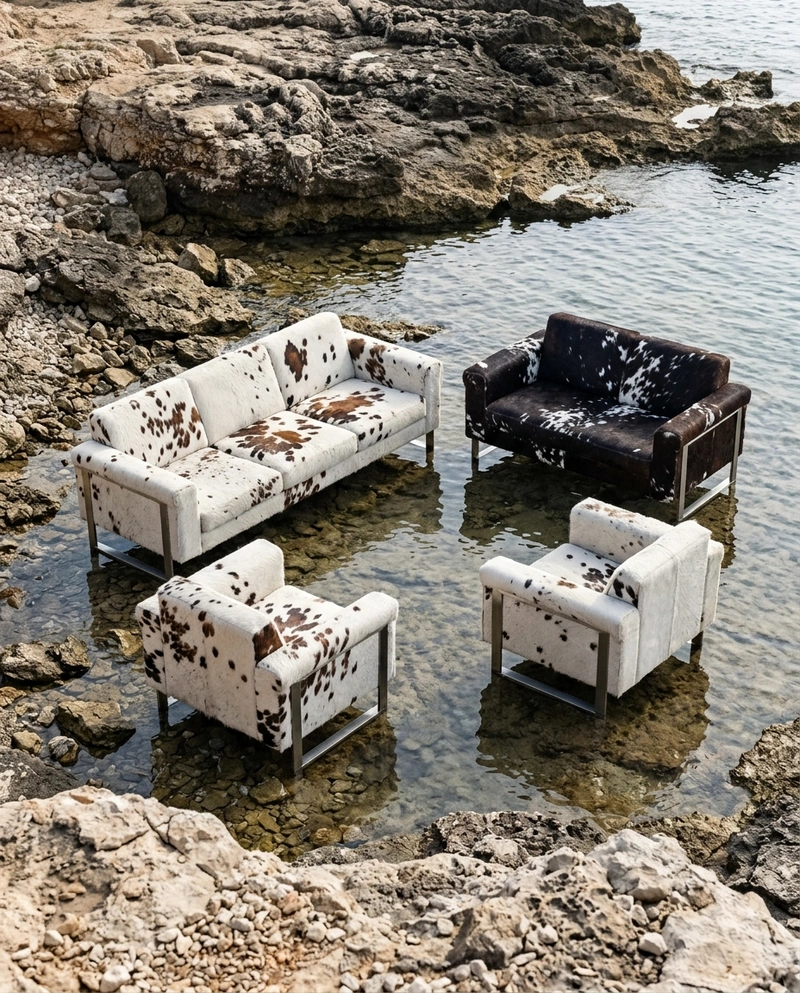
Home & living photography is a context claim.
A throw is not bought as an object; it is bought as a morning. Home goods only argue their price inside a room: the stoneware stacked by a window, the linen falling over a sofa arm, the breakfast table half-set in low sun. The catalogue houses know this and shoot entire homes each season, with prop stylists, borrowed furniture, and florists on call. A cutout on white cannot carry a home brand, and buyers feel the difference before they can name it.
Generic AI tools fail the category in the styling. They render showroom rooms nobody lives in, glazes with the wrong depth, linen that drapes like paper, and prop clutter with no editorial logic. The result reads as a marketplace listing, not as a home a customer wants to move into.
Your actual pieces, living in rooms that feel inhabited.
Upload 4 to 8 reference photos covering the product from a few angles, a close on the surface (glaze, weave, grain), and the details that carry the craft: a selvedge edge, a glaze break on a rim, a hand-stitched hem. The model preserves form, surface character, colour, and true scale among other objects.
Brief the rest: the room (kitchen shelf, breakfast table, sofa corner, bathroom ledge), the light (low morning sun, soft overcast, lamp-lit evening), the styling density (spare or layered), the season. A range's worth of scenes in an afternoon, from one sample per product.
Brief, generate, refine.
1. Reference the product
4 to 8 photos: the piece at a few angles, surface at scale (glaze, weave, grain), craft details like rims, hems, and handles. The model needs to see form, texture, colour, and true scale.
2. Brief the frame
"Speckled stoneware mugs on an oak shelf, low morning sun, linen runner, spare styling." Or apply a saved Aesthetic, or pick a starting point from the prompts library.
3. Generate & refine
Up to 4K. Iterate until glaze, weave, and scale all read correctly. Save the winner. The next product in the range reuses the same Aesthetic.
Every frame the range needs.
The shots a home brand is judged on, in one warm, consistent editorial register.
Styled room scenes
The throw over the sofa arm, the vase on the windowsill, the basket by the door. The lived-in frame that sells the feeling before the object.
Tabletop & vignette
Breakfast tables half-set, stacked plates, a shelf composed in threes. The considered still life that carries PDPs and email.
Texture macro
Glaze depth, weave and selvedge, grain on a serving board. The close frame that separates craft from mass production.
Seasonal refreshes
The same range restaged for autumn tables, holiday light, and bright spring mornings. A season's campaign without a reshoot.
Small-brand budgets, catalogue-house output.
For a typical range (8 to 12 products, room and tabletop scenes, one look):
| Approach | Time | Cost |
|---|---|---|
| Lifestyle shoot with photographer, prop stylist, rented home | 2–5 weeks | $2,000–$8,000 |
| DIY kitchen counter plus phone | A weekend, plus edits | Your time, plus imagery that flattens the craft |
| recreateme.ai (Core) | An afternoon | $30 / month, full range |
The point is not cheaper photos. It is that styled, inhabited imagery is no longer gated by a location and stylist budget per season.
Full commercial rights, your imagery, your home brand.
Every frame you generate is yours, for owned channels: site, product pages, paid campaigns, wholesale decks, print, social, catalogues, seasonal emails. No per-image licence, no usage caps, no surprises in the small print.
Nothing of yours is on file unless you choose to share to the public Discover gallery. Posts can be made private or deleted at any time.
The scenes your next season deserves.
8 credits to begin, no card required.
From founders building home & living brands.
How does the AI keep glazes, weaves, and finishes accurate?
Surface is the product. A reactive glaze breaks differently on every rim; stonewashed linen has a slub that flat renders kill; an oiled serving board reads warm where lacquer reads cold. Upload 4 to 8 references covering the product from a few angles, plus a close on the surface at scale. The model preserves the glaze depth and speckle, the weave structure, the colour in honest light, and the form across scenes and crops.
Can I build styled room scenes without a location or stylist?
Yes. The styled room is the conversion frame for home goods, and traditionally the most expensive one: a rented home, a prop stylist, a van of borrowed furniture. Brief the room instead: the sofa corner in soft overcast, the kitchen shelf in low sun, the bedside at lamp hour. Your product stays anchored to the reference; the room, the supporting props, and the ambient light are composed in the brief.
How does it handle tabletop and vignette composition?
Tabletop is its own discipline: stepped heights, odd counts, negative space where the eye rests. Brief the register (spare still life, layered breakfast table, shelf composed in threes) and the supporting props. The product holds its true scale among plates, glassware, and linen because its geometry comes from your reference, so a mug reads as a mug and a serving bowl keeps its presence.
Can I keep one visual identity across the whole range?
A home brand is judged on a coherent world: the same light warmth, the same wall and wood tones, the same styling density from textiles to tableware. Save a reusable Aesthetic (palette, lighting grammar, room and prop vocabulary) once and apply it across every product reference. Twelve products, one home, an afternoon.
Can I refresh imagery seasonally without reshooting?
Seasonality is the publishing rhythm of home goods, and reshoots are why most small brands skip it. The same tableware reference restages for a late-summer table, an autumn shelf, holiday candlelight, a pale spring morning. The product never changes; the scene, the light temperature, and the props do. A year of campaign moments from one set of references.
Will scale read correctly among other objects?
Scale is quiet but decisive: a 250 millilitre mug that renders oversized reads wrong even when nothing else does. Because form and proportion come from your reference photos, the product keeps its true size against plates, books, and furniture in every scene. If a piece is unusually large or small, include one reference beside a familiar object as an anchor.
Can I render colour and pattern variants from one sample?
A range typically ships each design in a handful of colours: natural, terracotta, sage, charcoal. Variants are a brief modifier: "same throw in terracotta, no other changes." The weave, the hem, the drape, and the scale stay identical; only the declared colour or pattern changes. The whole colour story from one photographed sample.
Can I use the imagery commercially?
Yes. You own every image you generate, with full commercial rights for owned channels: site, product pages, paid campaigns, wholesale decks, print, social, lookbooks. No per-image licence, no usage caps. Full terms in our Terms of Service.
How is it priced?
8 credits to try, free, usable on any resolution and either engine. Paid plans begin at $15/month (Lite, 75 credits). Core: 150 to 300 credits/month. Max: 500 to 2,000. Annual billing is 25% off. See pricing for the full ladder.
Built across the editorial line.
Fine jewelry
Stone fire, prong work, metal reflection, on-hand lifestyle, velvet and silk editorial.
Fragrance
Glass refraction, atmospheric still life, ingredient and note imagery, ritual scenes.
Fashion
On-model editorial, garment drape, fabric macro, lookbook campaign, atelier scenes.
Skincare & apothecary
Texture rendering, ritual flatlays, ingredient close-ups, bathroom-vanity ambient.
Watches
Mechanical detail, lume shots, leather strap macro, wrist scenes, dial light play.
Bags & leather goods
Grain, hardware, atelier scenes, on-body lifestyle, considered hero crops.
Eyewear
Frame architecture, lens reflection, on-face portrait, materials close-up.
Candles & home fragrance
Wick and wax pool, vessel craft, atmospheric still life, lit and unlit states.
Specialty coffee & tea
Brewing ritual, leaf and bean macro, ceremonial scene, café ambient.
Portraits & self
Recreate yourself anywhere. Photoshoot studio, editorial settings, dating-app portraits, on-brand creator content.
Activewear
Movement, fabric tension, on-body lifestyle, studio and outdoor athletic editorial.
Performance apparel
Technical fabric texture, athletic motion, gym and outdoor settings, gear macro.
Drinks & beverages
Bottle and can architecture, pour-and-splash, cocktail ritual, ambient bar and table scenes.
Lighting & decor
Interior atmosphere, fixture detail, object styling, ambient warm-and-cool palettes.
Personal hygiene
Tube and bar packaging, ritual bathroom flatlay, ingredient close-ups, calm clinical aesthetic.
Make-up
Color fidelity swatches, on-face campaign, packaging architecture, palette and tool stills.
Body care
Lotion and balm texture, bathing ritual, on-skin macro, packaging in soft natural light.
Bags
Handle craft, interior detail, on-shoulder lifestyle, leather and canvas texture, hero crops.
Luxury fashion
House-level editorial, atelier craft, runway-grade lighting, hero campaign stills.
Furniture
Material grain, joinery detail, room-scene lifestyle, architectural ambient light.
Fashion & apparel
On-model editorial, garment drape, fabric texture, lookbook campaign, atelier scenes.
Build the world your home brand deserves.
8 credits to begin. Upgrade as the range grows.